






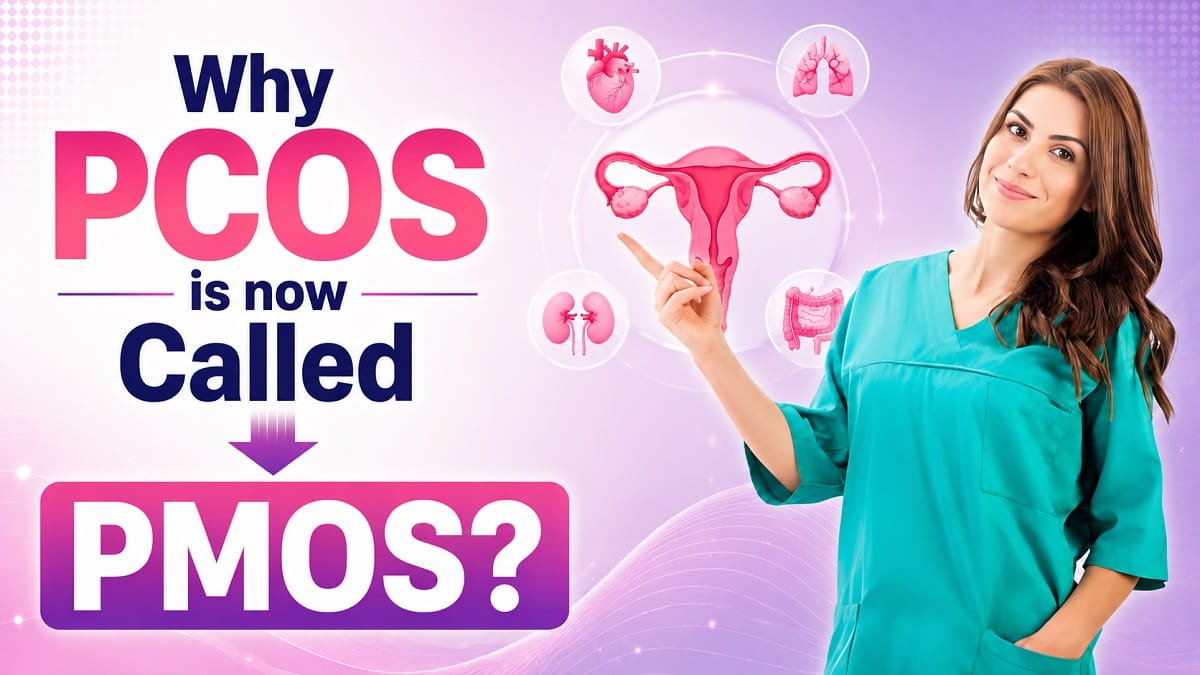
On May 12, 2026, a coalition of over 50 international medical organizations and patient advocacy groups—including the Endocrine Society and leading global researchers—published a landmark consensus paper in The Lancet. Their declaration marked one of the largest renaming efforts in modern medicine: Polycystic Ovary Syndrome (PCOS) is now officially called Polyendocrine Metabolic Ovarian Syndrome (PMOS).
While the acronym shift from PCOS to PMOS looks minor on paper, it represents a massive evolution in how doctors diagnose, talk about, and treat this complex condition that impacts more than 170 million women globally.
If you have spent years managing your health under the umbrella of “PCOS,” here is exactly what this 2026 update means for your care, your symptoms, and your future treatment options.
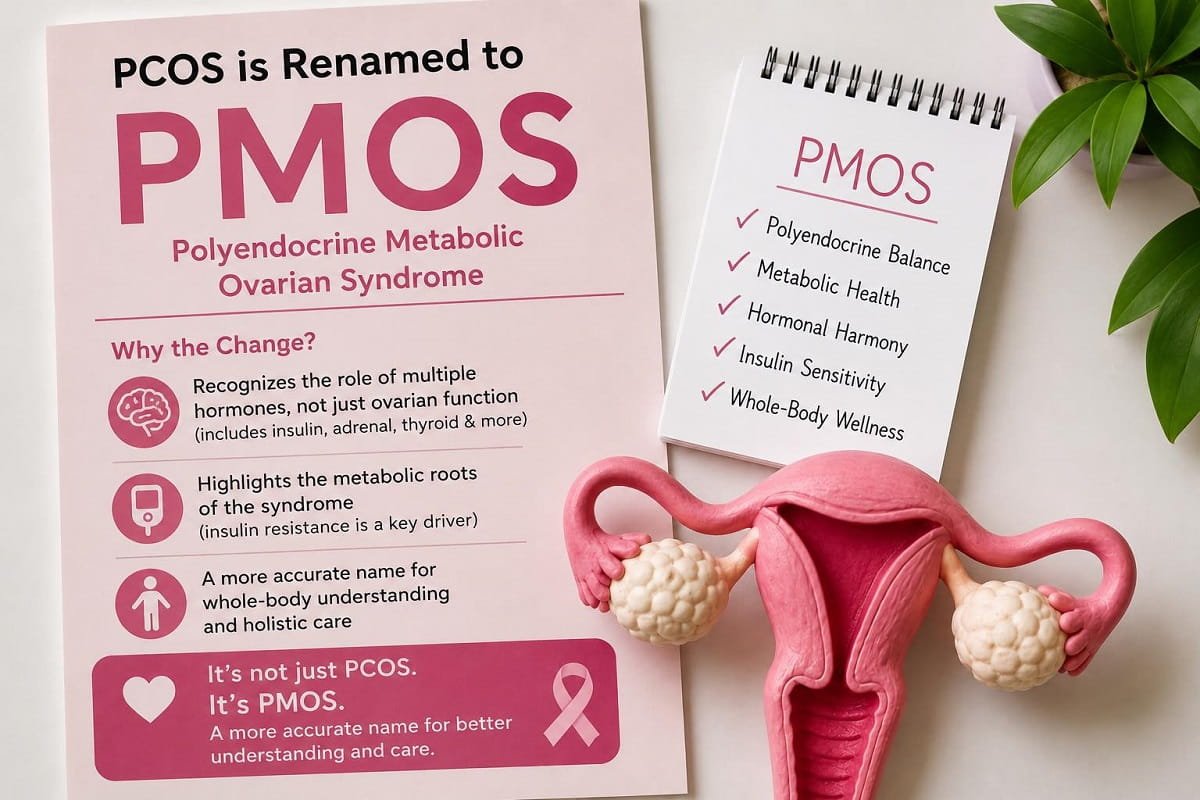
What Does PMOS Stand For? Breakdown of the New Name?
The previous term, Polycystic Ovary Syndrome, was coined decades ago. However, modern clinical science has long recognized it as a misnomer. The old name focused heavily on the presence of “cysts” on the ovaries. In reality, these are not structural cysts at all, but rather small, underdeveloped fluid-filled follicles. Furthermore, millions of women who meet the diagnostic criteria for the condition never develop these follicles.
To correct this confusion, medical groups developed a more scientifically accurate name. Here is exactly what PMOS stands for and why each word matters:
-
Polyendocrine: This highlights that the condition is a systemic hormonal disorder involving multiple endocrine pathways. It is not confined to one organ; it involves a complex interplay between insulin production, ovarian hormones, and the brain’s signaling networks.
-
Metabolic: This is the most crucial addition. The new name officially recognizes that metabolic dysregulation—specifically insulin resistance—is a core feature of the condition, rather than a secondary side effect. It links the condition directly to broader cardiometabolic health factors.
-
Ovarian: The condition still deeply affects the reproductive system, ovulation cycles, and fertility, meaning the ovaries remain a critical piece of the clinical framework.
-
Syndrome: Because it presents differently from person to person, it remains classified as a syndrome—a collection of intersecting clinical features rather than a single localized disease.
Why Did PCOS Change to PMOS?
The main reason why PCOS is now called PMOS is to close the diagnostic gap and eliminate clinical friction. For years, the old name created significant barriers to proper patient care, including:
-
Delayed Diagnoses: Many young women presenting with severe metabolic or dermatological symptoms were turned away or told they were fine simply because a pelvic ultrasound showed “normal” ovaries without fluid-filled follicles.
-
Fragmented Medical Care: Because the name pointed exclusively to the ovaries, the condition was treated strictly as a gynecological issue. This often left systemic issues like insulin resistance, high cholesterol, and cardiovascular risks unaddressed or deprioritized.
-
Social and Medical Stigma: Framing the syndrome purely around fertility and ovarian health led to many women feeling ignored when seeking help for broader concerns, such as rapid weight changes, severe fatigue, or mental health struggles.
By re-centering the conversation around metabolic and endocrine function, the medical community intends to make comprehensive screening standard practice right from the very first consultation.
Understanding Polyendocrine Metabolic Ovarian Syndrome Symptoms
The biological drivers of the condition have not changed; only the terminology has evolved to match scientific reality. The core polyendocrine metabolic ovarian syndrome symptoms that patients experience remain wide-ranging, often cutting across multiple bodily systems:
-
Hormonal & Androgen Imbalances: Elevated levels of androgens (male hormones present in women) can cause severe adult acne, hirsutism (excessive hair growth on the face, chest, or back), and androgenic alopecia (thinning hair or pattern hair loss).
-
Metabolic Indicators: Insulin resistance in PMOS affects the vast majority of patients. This occurs when cells do not respond effectively to insulin, causing the pancreas to pump out excess amounts. High insulin levels signal the ovaries to produce more testosterone, driving a cyclical worsening of symptoms. This can lead to rapid weight gain around the abdomen, dark patches of skin (acanthosis nigricans), intense sugar cravings, and systemic fatigue.
-
Reproductive & Ovulatory Fluctuations: Irregular, infrequent, or entirely absent menstrual periods remain a hallmark of the syndrome. Because ovulation is inconsistent, PMOS stands as the leading cause of ovulatory infertility worldwide.
Why Did PCOS Change to PMOS?
The main reason why PCOS is now called PMOS is to close the diagnostic gap and eliminate clinical friction. For years, the old name created significant barriers to proper patient care, including:
-
Delayed Diagnoses: Many young women presenting with severe metabolic or dermatological symptoms were turned away or told they were fine simply because a pelvic ultrasound showed “normal” ovaries without fluid-filled follicles.
-
Fragmented Medical Care: Because the name pointed exclusively to the ovaries, the condition was treated strictly as a gynecological issue. This often left systemic issues like insulin resistance, high cholesterol, and cardiovascular risks unaddressed or deprioritized.
-
Social and Medical Stigma: Framing the syndrome purely around fertility and ovarian health led to many women feeling ignored when seeking help for broader concerns, such as rapid weight changes, severe fatigue, or mental health struggles.
By re-centering the conversation around metabolic and endocrine function, the medical community intends to make comprehensive screening standard practice right from the very first consultation.
Understanding Polyendocrine Metabolic Ovarian Syndrome Symptoms
The biological drivers of the condition have not changed; only the terminology has evolved to match scientific reality. The core polyendocrine metabolic ovarian syndrome symptoms that patients experience remain wide-ranging, often cutting across multiple bodily systems:
-
Hormonal & Androgen Imbalances: Elevated levels of androgens (male hormones present in women) can cause severe adult acne, hirsutism (excessive hair growth on the face, chest, or back), and androgenic alopecia (thinning hair or pattern hair loss).
-
Metabolic Indicators: Insulin resistance in PMOS affects the vast majority of patients. This occurs when cells do not respond effectively to insulin, causing the pancreas to pump out excess amounts. High insulin levels signal the ovaries to produce more testosterone, driving a cyclical worsening of symptoms. This can lead to rapid weight gain around the abdomen, dark patches of skin (acanthosis nigricans), intense sugar cravings, and systemic fatigue.
-
Reproductive & Ovulatory Fluctuations: Irregular, infrequent, or entirely absent menstrual periods remain a hallmark of the syndrome. Because ovulation is inconsistent, PMOS stands as the leading cause of ovulatory infertility worldwide.
The Medical Criteria for PMOS Diagnosis: What Changes?
If you already have a formal diagnosis, do not panic. The underlying medical criteria for PMOS diagnosis are not resetting. Doctors will continue to utilize established diagnostic frameworks (such as the updated Rotterdam criteria), which require a patient to present with at least two of the following three features:
-
Clinical or biochemical signs of excess androgens (elevated testosterone, hair loss, or hirsutism).
-
Ovulatory dysfunction (irregular or completely missing menstrual cycles).
-
An increased number of follicles visible on an ovarian ultrasound.
The critical shift following the 2026 consensus is that a normal ultrasound can no longer be used by clinicians to rule out the condition. If you display irregular cycles and metabolic signs of excess androgens, a diagnosis can be confidently established.
Treatment Protocols and the 3-Year Transition Timeline
Does a new name mean a whole new set of medications? Not necessarily. Your existing management plan remains entirely valid, but the change encourages healthcare providers to offer a more well-rounded approach.
Current therapeutic approaches focus on managing individualized symptom profiles:
-
First-Line Lifestyle Approaches: Balanced nutrition focusing on whole foods, consistent physical activity, and adequate sleep remain the foundation of care to lower circulating insulin levels naturally.
-
Insulin-Sensitizing Therapies: Medications like Metformin, or targeted lifestyle interventions, help improve cellular insulin sensitivity and regulate ovulation.
-
Hormonal Management: Low-dose oral contraceptives or anti-androgen therapies help control cycles and alleviate severe skin or hair concerns.
Looking Ahead: The Rollout to 2028
Because this is the largest medical renaming initiative ever undertaken, the transition will be gradual. A three-year rollout timeline is currently underway. Between now and 2028, patients will see “PMOS, formerly known as PCOS” used interchangeably across lab reports, insurance documents, and medical charts. By 2028, the official International Guidelines used across 195 countries will transition completely to the PMOS terminology.
If you are scheduling an appointment with your care team soon, feel free to introduce the phrase “PMOS, formerly PCOS” into your conversation. It is a powerful way to ensure your medical provider is aligned with the latest international clinical standard, securing the comprehensive, whole-body care you deserve.


