





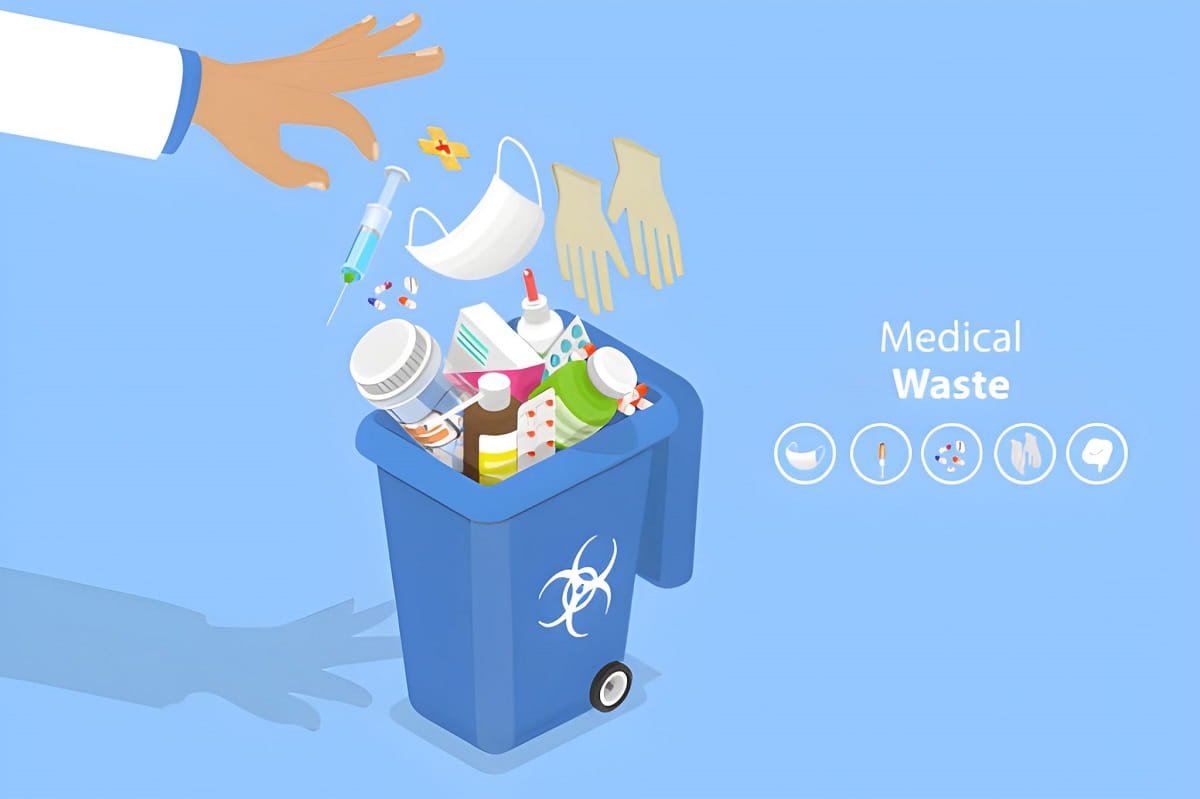
Healthcare facilities generate regulated waste daily, making compliance a constant responsibility rather than an occasional task. From clinics to laboratories, improper handling exposes staff, patients, and communities to avoidable risks. Within this regulatory landscape, medical waste disposal in Virginia follows specific state and federal requirements that every facility must understand.
Clear procedures help prevent environmental harm, reduce liability, and support operational efficiency. As regulations evolve, administrators must stay informed about classification, storage, transport, and treatment standards. Understanding these rules empowers facilities to build safer workflows, maintain accreditation, and demonstrate accountability while delivering uninterrupted patient care across diverse healthcare settings statewide.
Understanding Regulated Medical Waste Categories
Medical waste regulations begin with proper classification. Facilities must identify materials such as sharps, pathological waste, cultures, and contaminated supplies that pose biological risks. Misclassification can lead to improper handling and serious penalties.
Virginia aligns with federal definitions while enforcing additional state-level oversight. Accurate segregation supports compliance and simplifies downstream processes related to medical waste disposal in Virginia, ensuring that each waste stream receives appropriate treatment. Clear labeling and staff training are essential to maintain consistency across departments and reduce accidental exposure.
Storage and Containment Requirements
Safe storage protects both personnel and the environment. Regulations require leak-resistant, puncture-proof containers that remain securely closed when not in use. Storage areas must limit access and prevent pest infestation. Time limits vary by waste type and storage conditions, making scheduling critical.
Facilities that follow these standards reduce odor, contamination, and safety risks while maintaining compliance with Virginia medical waste disposal rules. Routine inspections and documented procedures help demonstrate adherence during audits.
Transportation and Licensed Haulers
Once waste leaves the facility, responsibility does not end. Virginia mandates that licensed and permitted transporters handle regulated medical waste. Proper documentation, including manifests and tracking records, ensures accountability from pickup to treatment.
Facilities must verify hauler credentials and maintain records for regulatory review. Reliable transportation practices support compliant medical waste disposal in Virginia by preventing illegal dumping, material loss, or environmental contamination during transit.
Treatment and Disposal Standards
Treatment methods such as autoclaving, incineration, or alternative technologies must meet regulatory performance standards. Each method aims to neutralize biological hazards before final disposal. Facilities should understand which treatment options align with their waste profiles and volume.
Compliance with approved treatment protocols strengthens medical waste disposal in Virginia efforts by ensuring public safety and minimizing ecological impact. Regular validation and monitoring of treatment processes further reduce regulatory risk.
Training, Documentation, and Inspections
Regulations emphasize education and accountability. Staff members involved in handling regulated waste must receive initial and ongoing training tailored to their roles. Documentation, including training logs, waste manifests, and incident reports, forms the backbone of compliance. Inspectors often review records before physical operations.
Consistent documentation supports medical waste disposal in Virginia compliance and demonstrates a proactive commitment to safety and regulatory alignment.
Penalties and Risk Management
Noncompliance carries financial and legal consequences, including fines, corrective actions, and reputational damage. Beyond penalties, improper waste handling increases exposure risks and operational disruptions. Proactive compliance strategies, internal audits, and partnerships with qualified vendors help mitigate these risks. Facilities that prioritize regulatory adherence strengthen their overall safety culture while maintaining efficient operations.
Conclusion
Regulatory compliance is not optional for healthcare providers managing hazardous materials. By understanding classification, storage, transport, and treatment requirements, facilities protect people and the environment while avoiding costly violations.
Integrating these practices into broader healthcare waste management strategies ensures long-term compliance, operational resilience, and trust within the communities they serve. This structured approach also helps organizations adapt efficiently to regulatory updates and evolving industry standards.